
Cart
0
Everyday essentials for your glueless installation
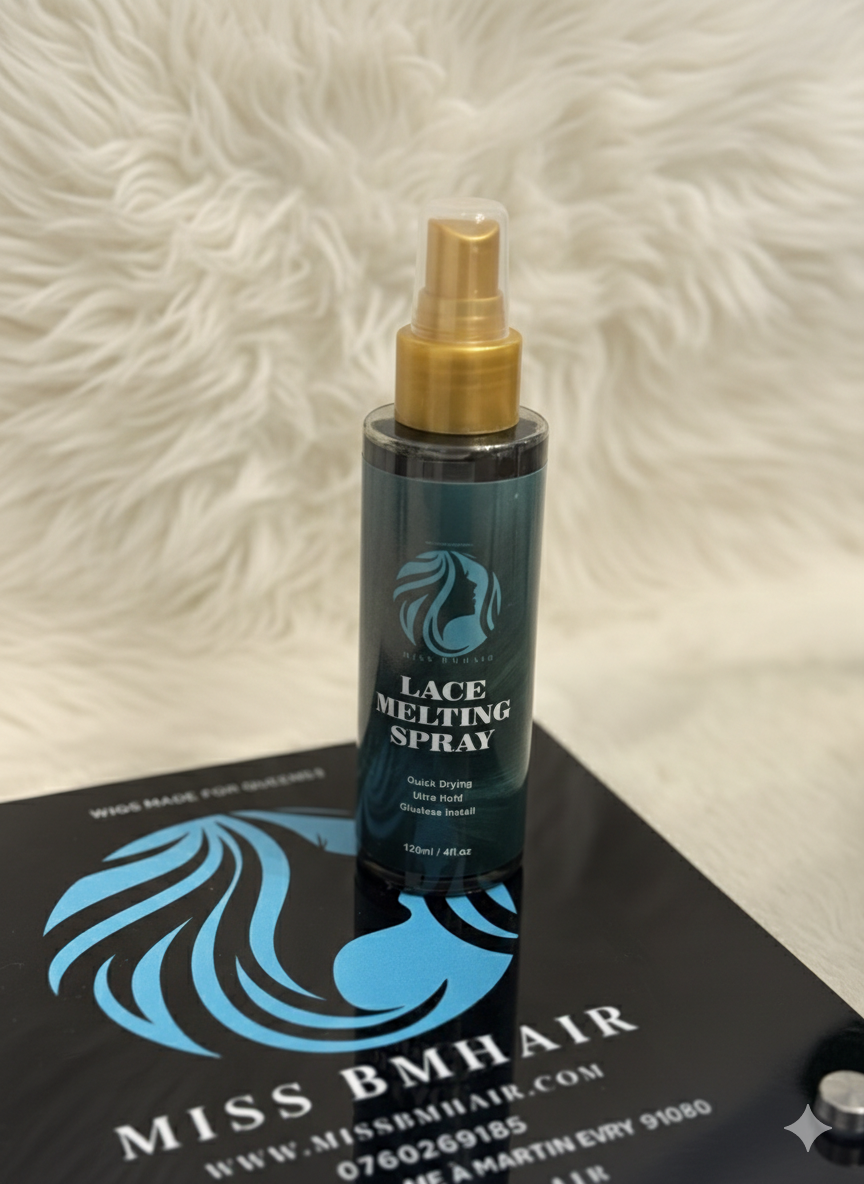
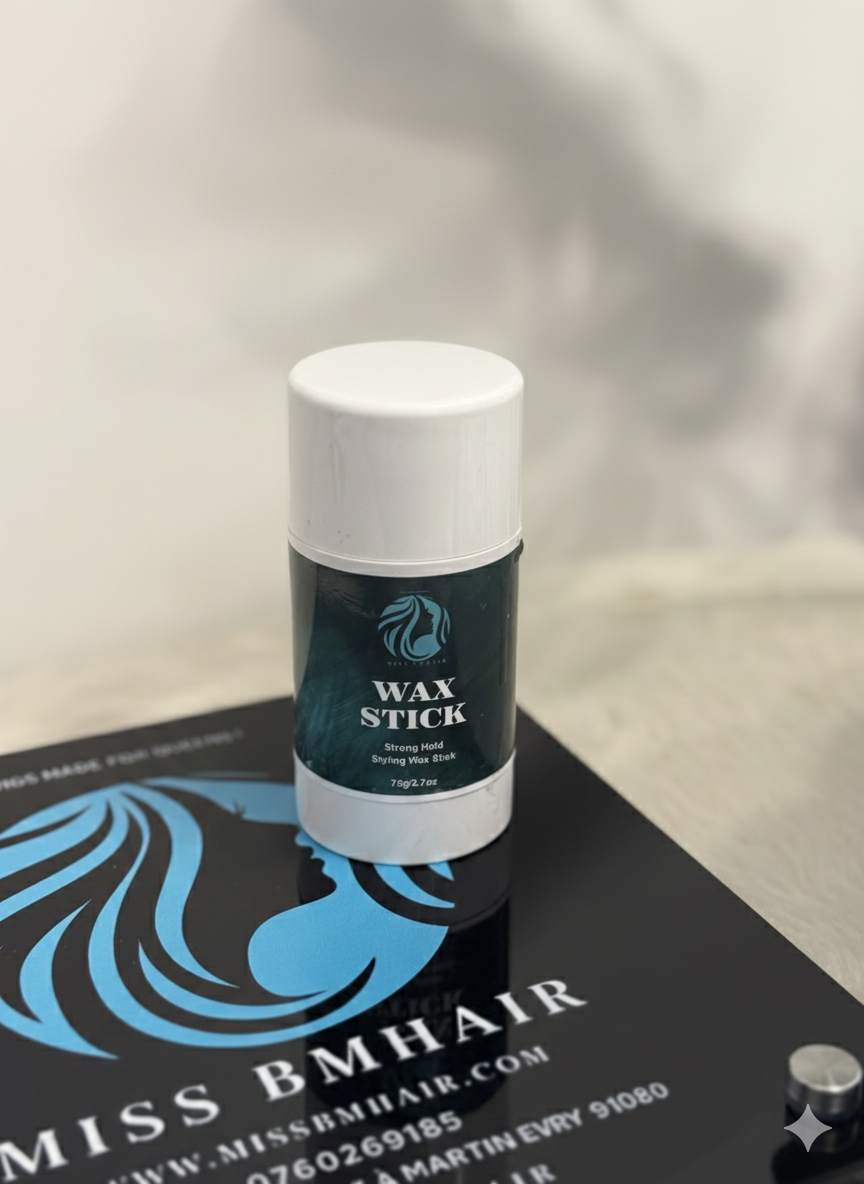
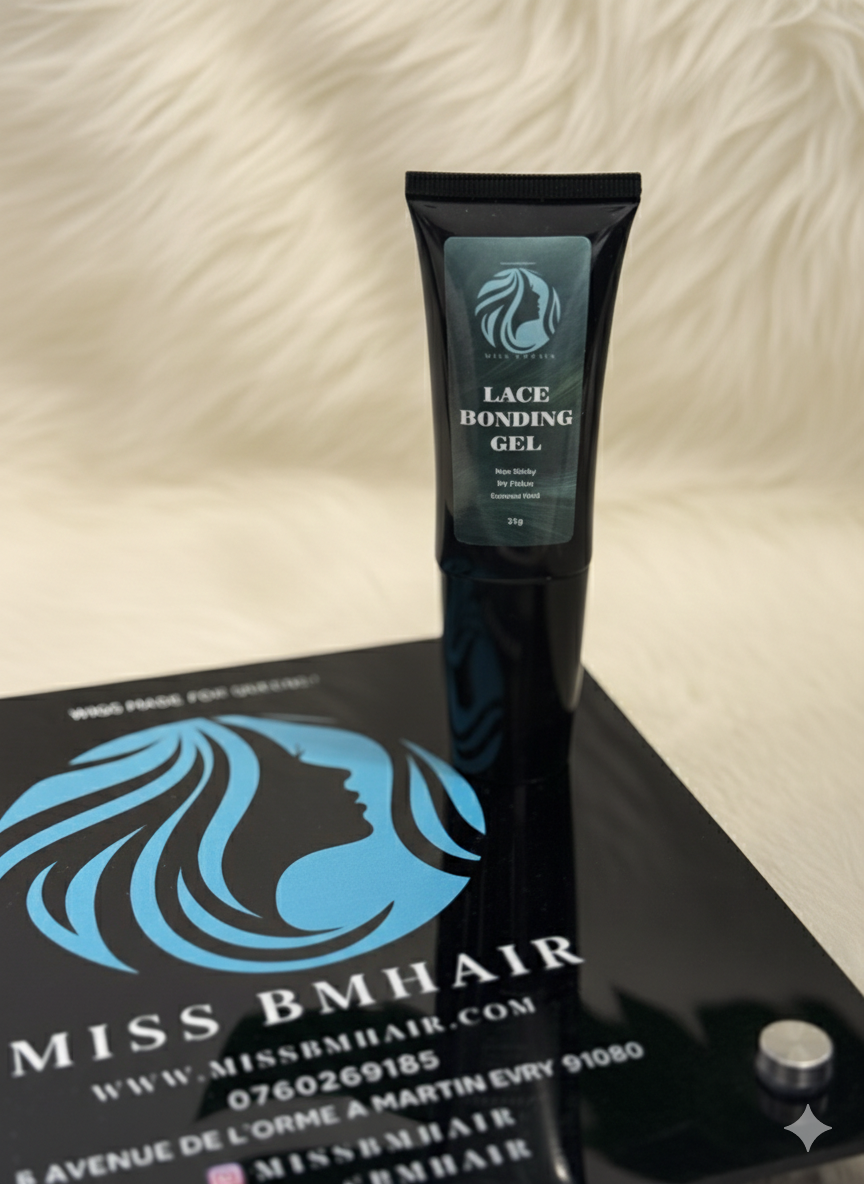

Regardez en vidéo nos perruques prêtes à porter 100% cheveux vierges, HD lace et glueless, portées et coiffées en conditions réelles. Un rendu naturel, une pose simplifiée et une livraison rapide depuis la France : découvrez pourquoi nos clientes adoptent MissBMhair.

When we talk about wigs, we often only think of appearance.
A different hairstyle, a style, an aesthetic result.
But for many women, the impact is much deeper.
The relationship with hair is emotional.
They are not just decorative: they contribute to how we perceive ourselves and how we present ourselves to the world.
That's why wearing a wig can evoke two opposing feelings:
immediate relief
inner apprehension
Understanding this duality helps to experience wearing a wig in a more peaceful way.
Hair has always been associated with several strong elements:
identity
femininity
health
youth
personality
Changing a hairstyle can already modify one's self-image.
So completely changing one's hair can disrupt personal bearings.
It's not superficial, it's psychological.
The primary need is not to be admired,
but to recognize oneself in the mirror.
Some women describe this precise moment:
the one where they put on a wig and find a familiar face.
It's not about trying to become someone else,
but about finding continuity with oneself.
The main concern is not the wig…
but the interpretation we imagine.
We often anticipate:
questions
remarks
insistent stares
In reality, others rarely perceive what we imagine.
Most only notice a change in hairstyle.
The human brain focuses on itself much more than on others.
Wearing a wig often goes through several phases:
hesitation
adaptation
habit
normalization
Over time, the wig ceases to be a central element.
It becomes a detail of everyday life.
The experience changes completely depending on personal perception.
When the wig is experienced as camouflage → tension.
When it is experienced as a choice → freedom.
It's not the wig that influences confidence,
it's the meaning we give it.
For some women, hair loss or modification is endured.
The wig then becomes a way to regain agency.
Deciding when and how to show one's image restores a sense of control.
And control calms anxiety.
When the wig becomes comfortable:
we no longer think about it
we no longer check it
we no longer apologize for it
That's when it ceases to be an issue.
Is it normal to feel different at first?
Yes. The brain needs to get used to a new image.
Does confidence return over time?
In the vast majority of cases, yes.
Should you talk about it with others?
Only if you want to.
A wig is not just an external change.
It affects internal perception.
When it is comfortable and embraced, it ceases to be a visible object and simply becomes a part of oneself.
And at that moment, confidence no longer comes from the hair…
but from feeling at ease.

