
Cart
0
Everyday essentials for your glueless installation
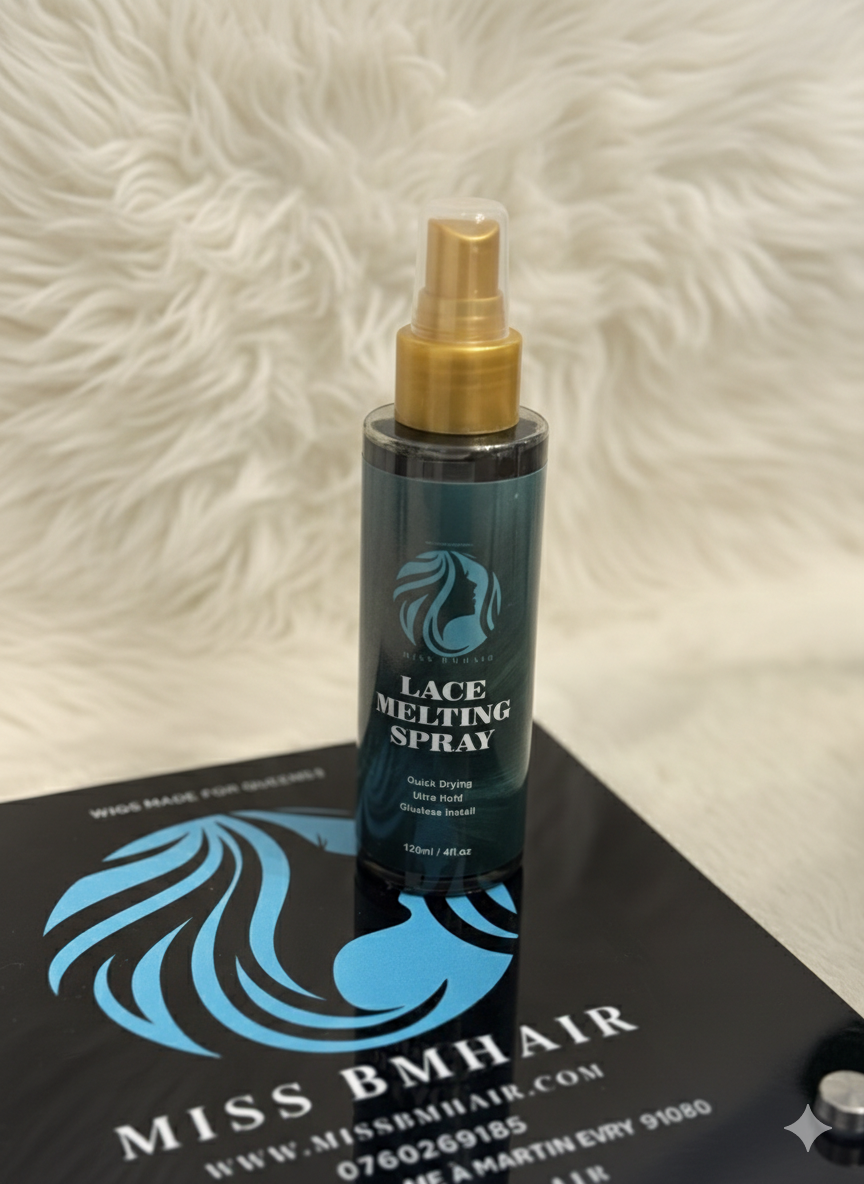
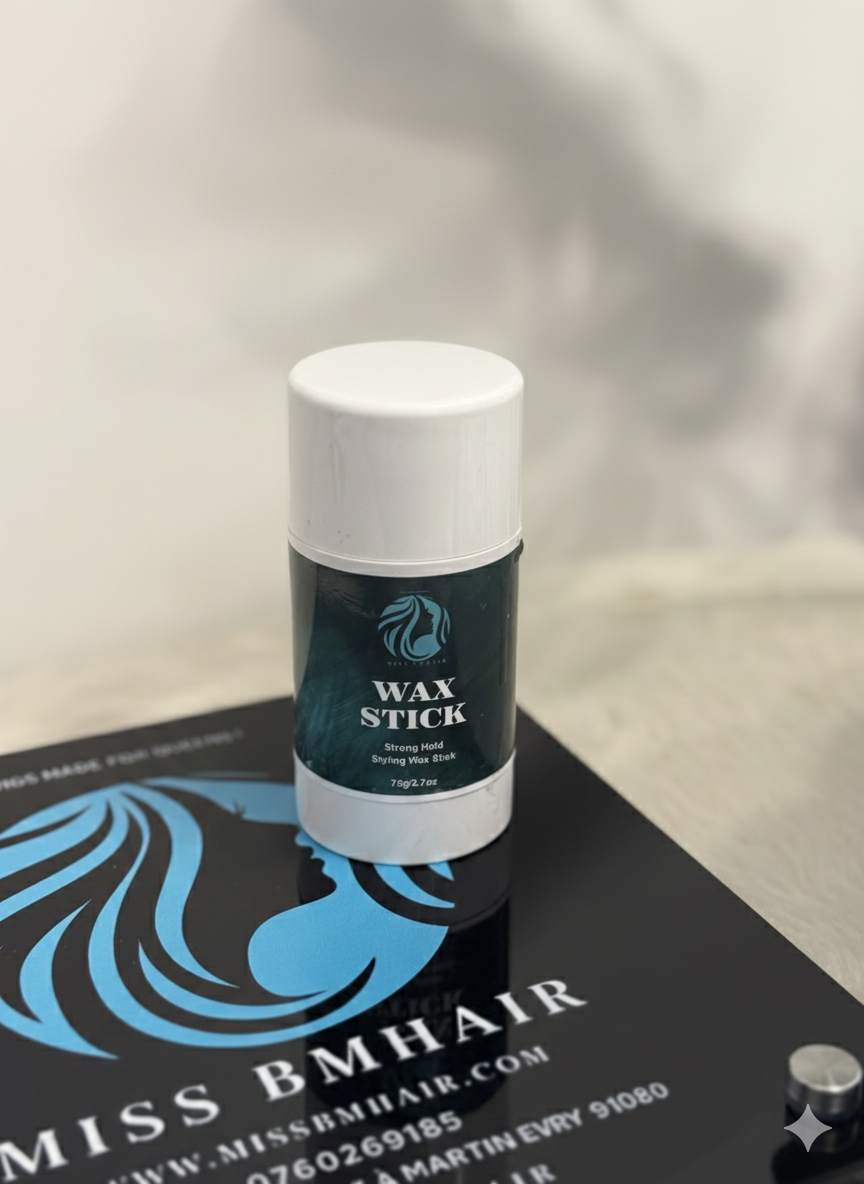
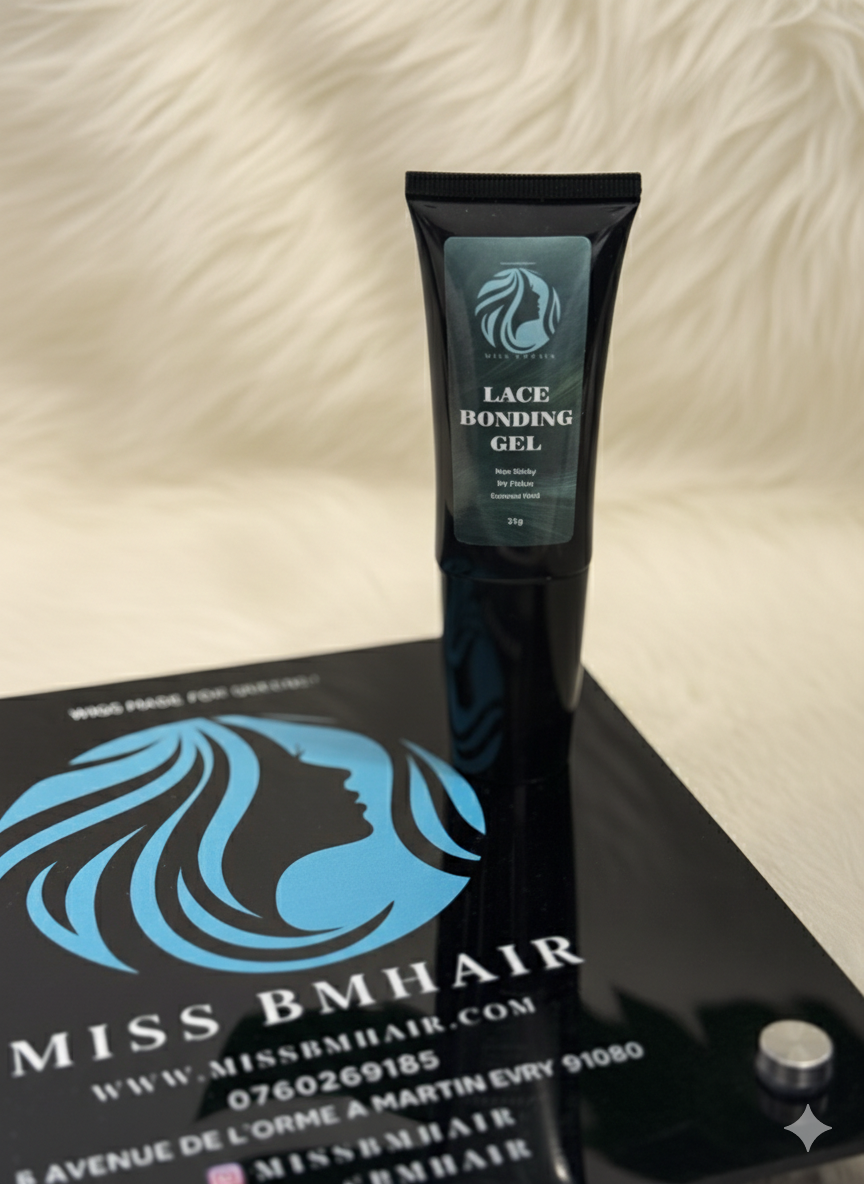

Regardez en vidéo nos perruques prêtes à porter 100% cheveux vierges, HD lace et glueless, portées et coiffées en conditions réelles. Un rendu naturel, une pose simplifiée et une livraison rapide depuis la France : découvrez pourquoi nos clientes adoptent MissBMhair.

Starting your own business is an exciting step, but before launching, it's essential to choose the right legal structure . This choice influences taxation , social security , responsibilities , and even the credibility of your business.
This article simply explains how to find your way around and make the right choice depending on your situation.
Before choosing a status, ask yourself the right questions:
Will you be working alone or with partners?
Do you want a primary or secondary activity ?
Do you need a significant initial investment ?
Do you want to protect your personal assets ?
These answers will help you target the most suitable legal forms.
This is the simplest and quickest way to get started.
✅ Advantages:
Quick and easy online creation.
Ultra-simplified accounting.
Low charges if you don't earn anything (contributions proportional to turnover).
⚠️ Limitations:
Revenue ceiling (approximately €188,700 for sales and €77,700 for services in 2025).
No deduction of actual expenses.
Limited social protection.
👉 Ideal for starting a solo activity , testing a concept or an online business without risk.
If you want to exceed the limits or separate your personal assets from your professional assets, the SARL (or EURL if you are alone) is a good choice.
✅ Advantages:
Liability limited to contributions.
Better image with banks and partners.
Possibility of paying you a salary or dividends.
⚠️ Disadvantages:
Creating a business is more complex and more expensive than a micro-enterprise.
No more accounting and administrative obligations.
👉 Ideal for entrepreneurs who want to grow seriously and hire in the medium term.
Very popular today, the SAS (or SASU if you are alone) is appreciated for its flexibility and its “professional” image.
✅ Advantages:
Modern status, perfect for online businesses, startups, shops or brands .
There is considerable freedom in drafting the statutes.
The president is treated as an employee → better social protection.
Ideal if you want to bring in partners or investors later.
⚠️ Disadvantages:
Social security contributions are higher than for a limited liability company (SARL).
More technical incorporation formalities.
👉 Ideal for ambitious entrepreneurs wishing to grow a brand or project on a large scale.
| Profile | Recommended status | For what |
|---|---|---|
| Beginner, concept test | Micro-entrepreneur | Simple, low risk |
| Stable activity alone | EURL | Good protection and clear frame |
| Multi-party project | SARL | Solid and framed structure |
| An ambitious brand, an evolving project | SASU / SAS | Professional image, great flexibility |
Even though you can create your status yourself (via sites like LegalPlace or Guichet unique ), it is often useful to seek advice from:
a chartered accountant ,
or a business support organization (such as ADIE or BGE).
They can help you choose the best status based on your activity, income and goals .
The right status depends on your project, your ambition and your personal situation .
Start small if you want to test, then move towards a more solid structure as your business grows.
The important thing is to get started , learn, and adjust your model over time.

